Why use AI to develop faster
Revolutionize software development with AI, streamlining processes and accelerating time-to-market.

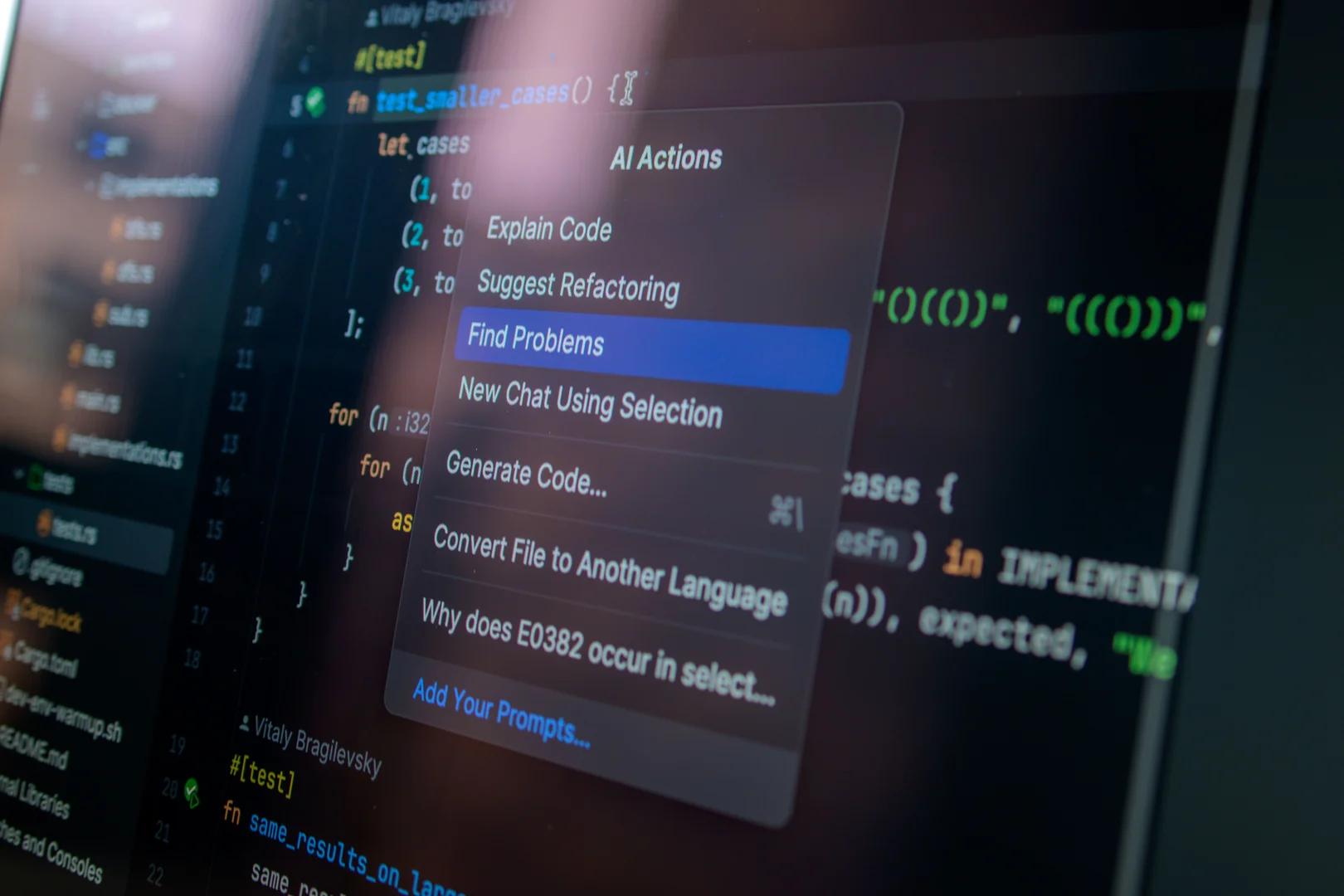
Introduction to AI-Driven Development
The world of software development is rapidly evolving, and the integration of Artificial Intelligence (AI) is revolutionizing the way we approach coding, testing, and deployment. The question on everyone's mind is: why use AI to develop faster? The answer lies in the potential of AI to streamline processes, improve accuracy, and accelerate time-to-market. In this article, we will delve into the benefits of leveraging AI in software development and explore the ways in which it can transform the industry.
The Challenges of Traditional Development
Traditional software development methods often involve manual coding, testing, and debugging. These processes can be time-consuming, labor-intensive, and prone to human error. The complexity of modern software systems, combined with the pressure to deliver high-quality products quickly, has created a perfect storm of challenges for developers. Some of the key issues with traditional development include:
- Long development cycles: Manual coding and testing can take months or even years to complete, delaying the release of new features and updates.
- High labor costs: The need for large teams of skilled developers, testers, and debuggers drives up labor costs and makes it difficult to scale.
- Error-prone processes: Human error can lead to bugs, security vulnerabilities, and other issues that can compromise the quality and reliability of software.
The Benefits of AI-Driven Development
AI has the potential to address these challenges and transform the software development process. Some of the key benefits of AI-driven development include:
- Faster development cycles: AI can automate many tasks, such as coding, testing, and debugging, allowing developers to focus on higher-level tasks and reducing the time-to-market.
- Improved accuracy: AI can analyze vast amounts of data and identify patterns, making it possible to detect and fix errors more efficiently.
- Enhanced scalability: AI can handle large volumes of data and scale to meet the needs of complex software systems, reducing the need for large teams of developers.
How AI is Used in Development
AI is being used in a variety of ways to improve the software development process. Some of the most significant applications of AI in development include:
- Automated coding: AI can generate code snippets, complete boilerplate code, and even write entire programs.
- Intelligent testing: AI can analyze code, identify potential issues, and generate test cases to ensure that software is reliable and stable.
- Predictive maintenance: AI can monitor software systems, predict when maintenance is required, and even perform routine tasks to prevent downtime.
Real-World Examples of AI-Driven Development
Several companies are already leveraging AI to drive innovation and improve efficiency in software development. Some examples include:
- Google's AutoML: Google's automated machine learning platform allows developers to build and deploy AI models without extensive expertise in machine learning.
- Microsoft's Azure DevOps: Microsoft's cloud-based development platform uses AI to automate testing, debugging, and deployment, reducing the time-to-market for new software releases.
- GitHub's Copilot: GitHub's AI-powered coding assistant can generate code snippets, complete boilerplate code, and even write entire programs.
The Future of AI-Driven Development
As AI continues to evolve, we can expect to see even more innovative applications of AI in software development. Some potential trends and developments include:
- Increased use of natural language processing: AI-powered tools will be able to understand and respond to natural language inputs, making it possible to develop software using voice commands or text-based interfaces.
- More emphasis on explainability: As AI becomes more pervasive, there will be a growing need to understand how AI-driven systems make decisions and take actions.
- Greater focus on human-AI collaboration: AI will be used to augment human capabilities, rather than replace them, and developers will need to learn how to work effectively with AI-powered tools.
Overcoming the Challenges of AI-Driven Development
While AI has the potential to revolutionize software development, there are also several challenges that need to be addressed. Some of the key issues include:
- Lack of standardization: The AI landscape is currently fragmented, with many different tools and platforms available, making it difficult to integrate AI into existing development workflows.
- Talent gap: There is a shortage of skilled developers and data scientists who can work with AI-powered tools and technologies.
- Ethical concerns: The use of AI raises important ethical questions, such as bias in decision-making and the potential for job displacement.
Conclusion
The use of AI in software development has the potential to transform the industry, enabling faster, more accurate, and more scalable development processes. While there are challenges to be addressed, the benefits of AI-driven development are clear. As AI continues to evolve, we can expect to see even more innovative applications of AI in software development, from automated coding and testing to predictive maintenance and human-AI collaboration. By embracing AI and addressing the challenges associated with its adoption, developers can unlock new levels of efficiency, productivity, and innovation, and create software that is more reliable, stable, and effective.
Comments (1)
- R
Ronny Silva
3d agoNice! I'll be using AI to develop from now on.