Inflation Cooled to 2.8% — Then the Iran War Restarted
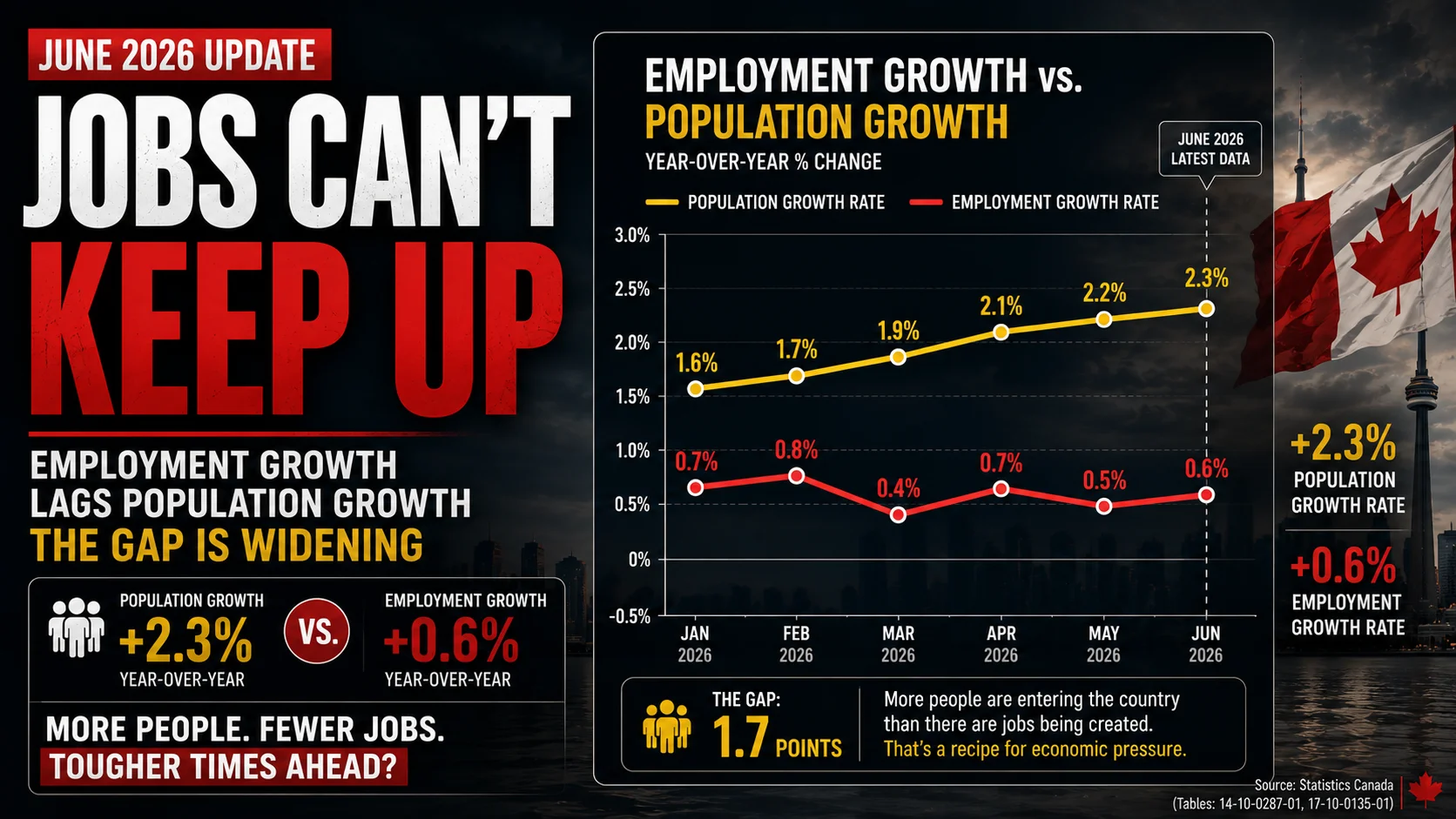
Canada's inflation cooled to 2.8% in June on lower gas prices — but renewed fighting in Iran threatens to reverse the relief before September's rate decision.
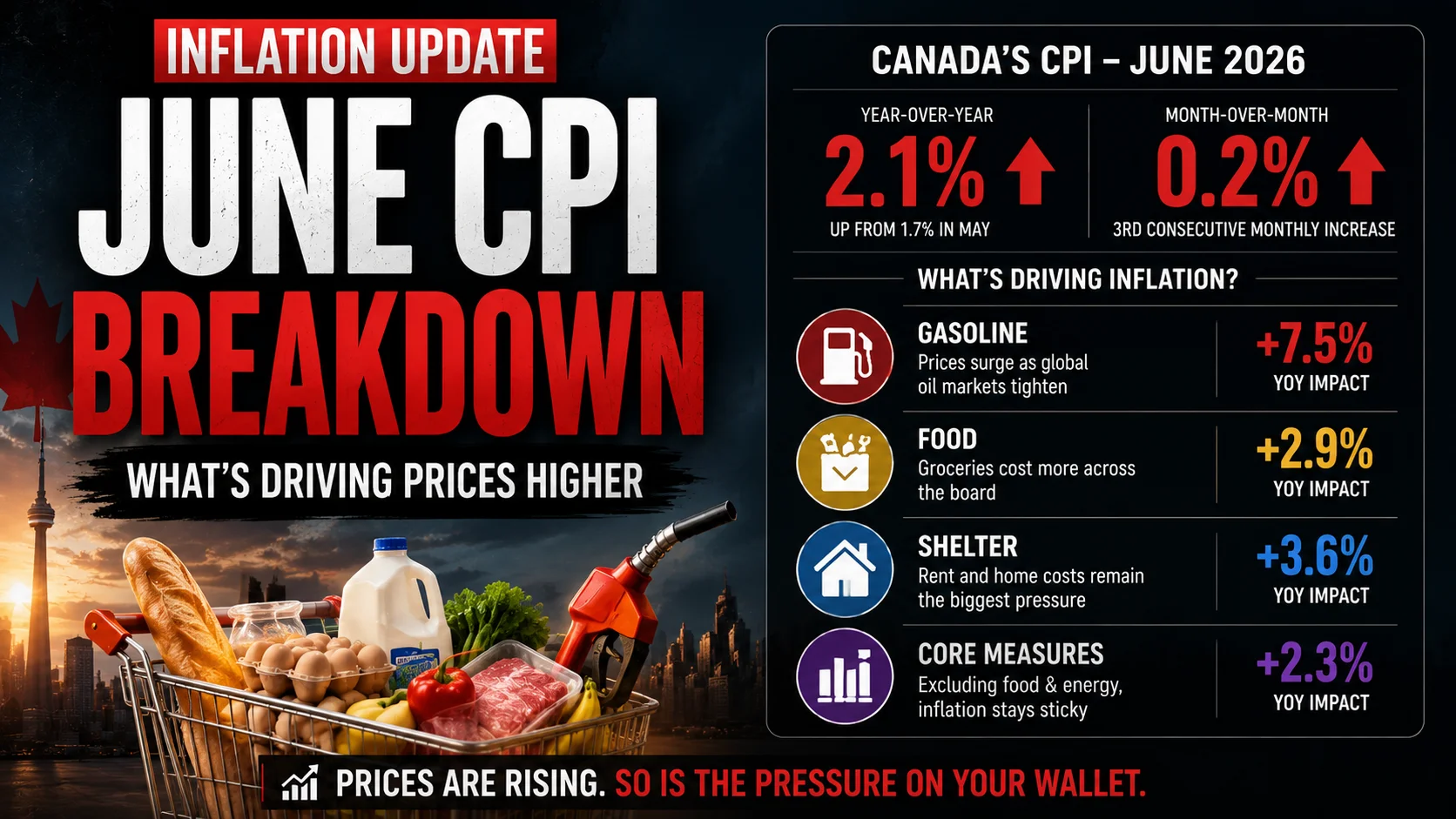
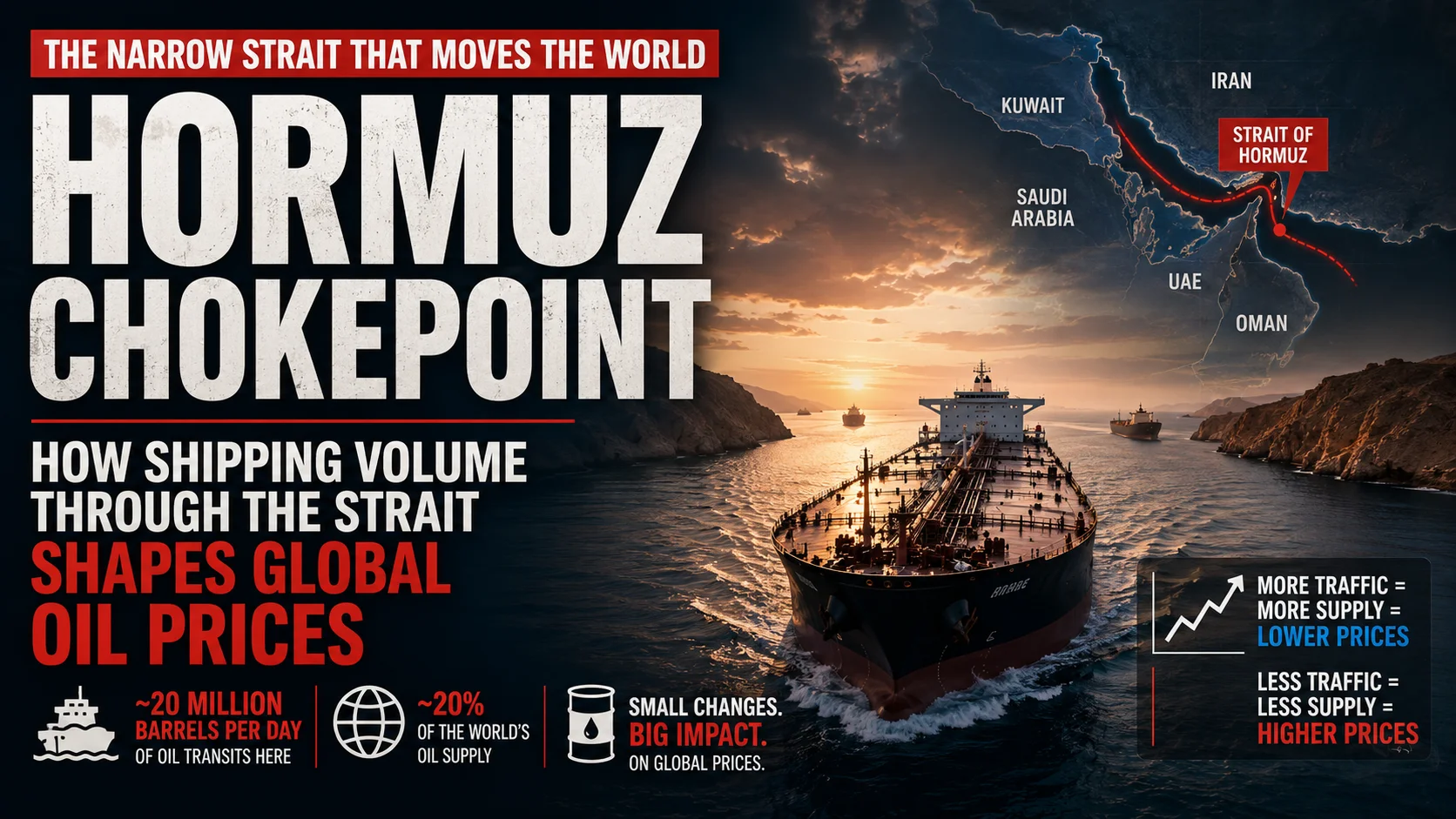
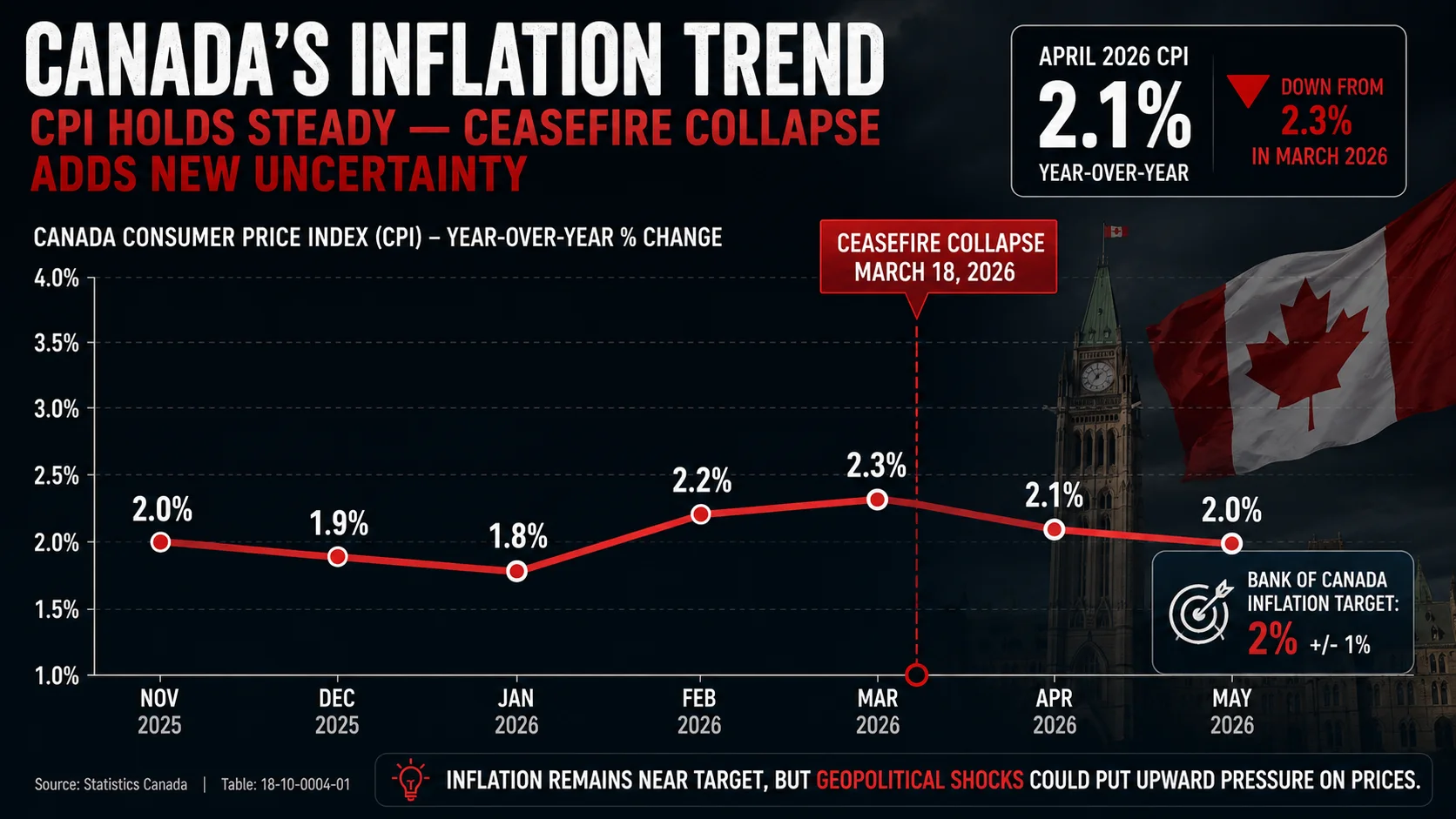
Statistics Canada's June inflation report showed headline CPI cooling to 2.8%, down from May's two-year high of 3.2%, largely thanks to a temporary lull in the Iran war that briefly eased gasoline prices. That lull didn't last.
Why You Should Care
This is one of those numbers that sounds like good news in the headline and then quietly stops being good news a few weeks later. The June cooldown happened because of a ceasefire that has since collapsed, and oil prices — and the pump prices tied to them — are already climbing back up. If you've got a mortgage renewal, a line of credit, or a variable-rate loan coming due before year-end, the Bank of Canada's September 2 rate decision will lean heavily on whether July's numbers show that reversal actually showing up in the data.
Complex to Simple
Think of Canada's inflation number like a bathtub with the tap and the drain both connected to the same unpredictable source: Middle East oil prices. In June, the tap slowed down for a bit, and the water level (prices) dropped. But the same tap just turned back on because the ceasefire that caused the slowdown fell apart — so the tub is likely filling back up again, even though the June reading suggested otherwise.
What Both Sides Are Saying
The Bank of Canada's own framing is one of "looking through" the war's near-term impact on headline inflation, treating it as a temporary energy-price shock rather than a sign of broader inflation. Bank economists at RBC and TD broadly support a "wait and see" approach, but some flag that food inflation specifically is expected to stay elevated regardless of what oil does, since fertilizer, packaging and transportation costs move on their own timeline.
What's Next
July's CPI report, expected in the coming weeks, is the number to watch — if gasoline prices show the rebound economists expect, it'll be the clearest sign yet that June's cooldown was a blip, not a trend, heading into the Bank's September 2 decision.
Support Independent Journalism