The US Just Locked China's Robots Out of Its Biggest Market
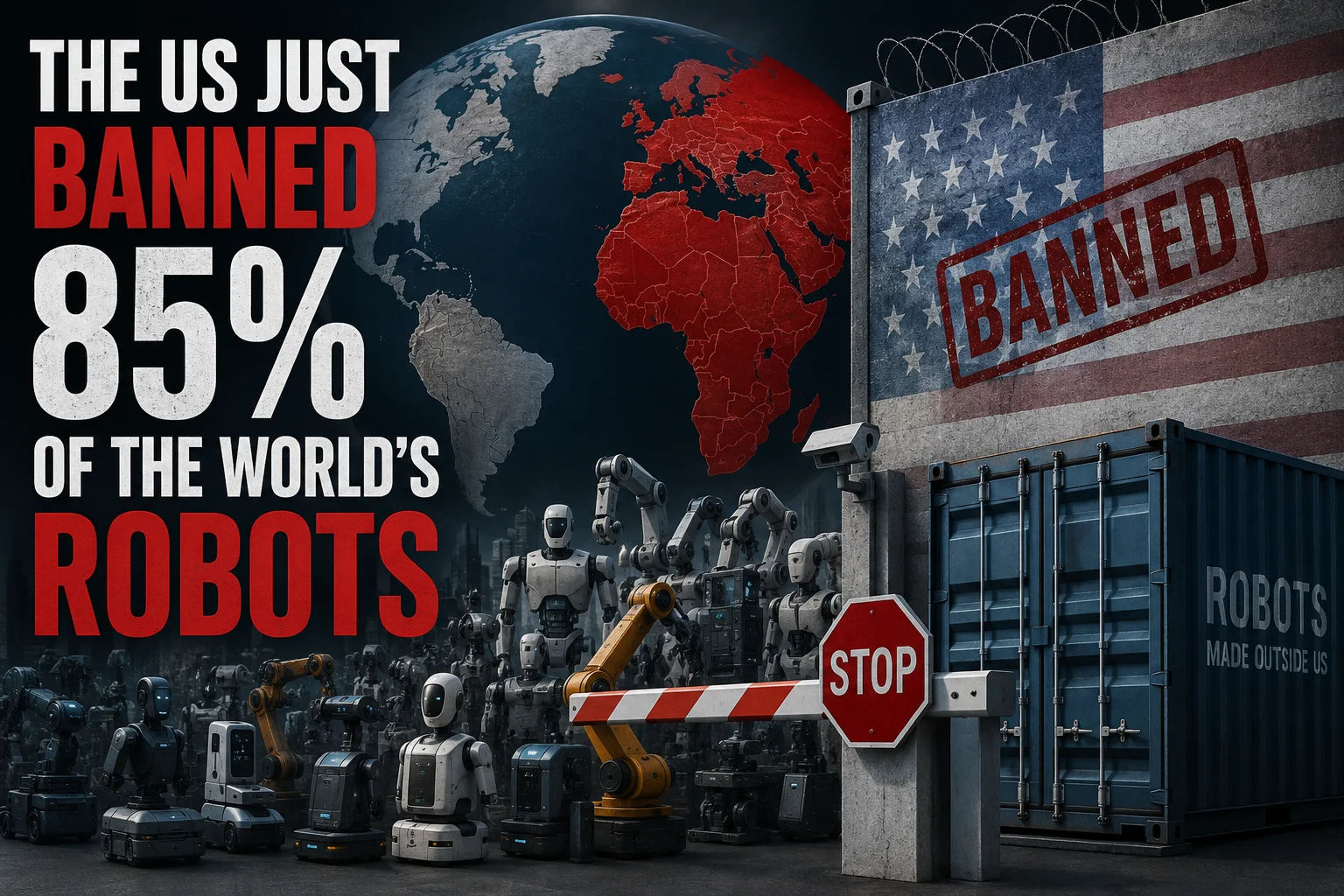
The US banned new imports of Chinese humanoid and quadruped robots over security concerns.

The Trump administration announced a ban on new imports of foreign-made humanoid and quadruped robots — a rule aimed squarely at Chinese manufacturers, who currently supply the vast majority of the world's humanoid robots. The FCC added the devices, along with connected power inverters, to its national-security "Covered List."
Why You Should Care
Even if you've never bought a robot in your life, this is worth understanding because it's a preview of how the broader U.S.-China tech rivalry is likely to shape the next wave of consumer and industrial products — the same playbook already used on telecom equipment and semiconductors is now expanding to robotics. China supplies the overwhelming majority of the world's humanoid robots, and this ban cuts that supply off from its single largest market overnight, which will likely reshape pricing and availability for robotics used in warehouses, manufacturing, and eventually homes.
Complex to Simple
Picture a country deciding it doesn't want a rival's delivery trucks driving on its highways anymore — not because the trucks themselves are necessarily dangerous, but because of what could theoretically be installed inside them: tracking devices, backdoors, remote kill switches. That's the logic behind this robot ban. It's less about the robots' current behaviour and more about the fact that a networked, camera-equipped machine built by a company with ties to a rival government represents a data and security risk that's hard to fully audit from outside.
[VISUAL: Simple map/infographic showing China's share of global humanoid robot exports and where the ban applies]
Objective Narrative Mapping
U.S. officials frame the ban as protecting a critical, fast-growing supply chain from "unacceptable risks" — data theft, cyberattacks, and supply-chain vulnerabilities they say networked Chinese robots could introduce. Beijing's Commerce Ministry has pushed back hard, framing its robotics exports as a legitimate product of domestic innovation and international cooperation, and pointing to booming export growth — industrial robot exports up 18.6% year-over-year — as evidence the restrictions are protectionist rather than purely security-driven.
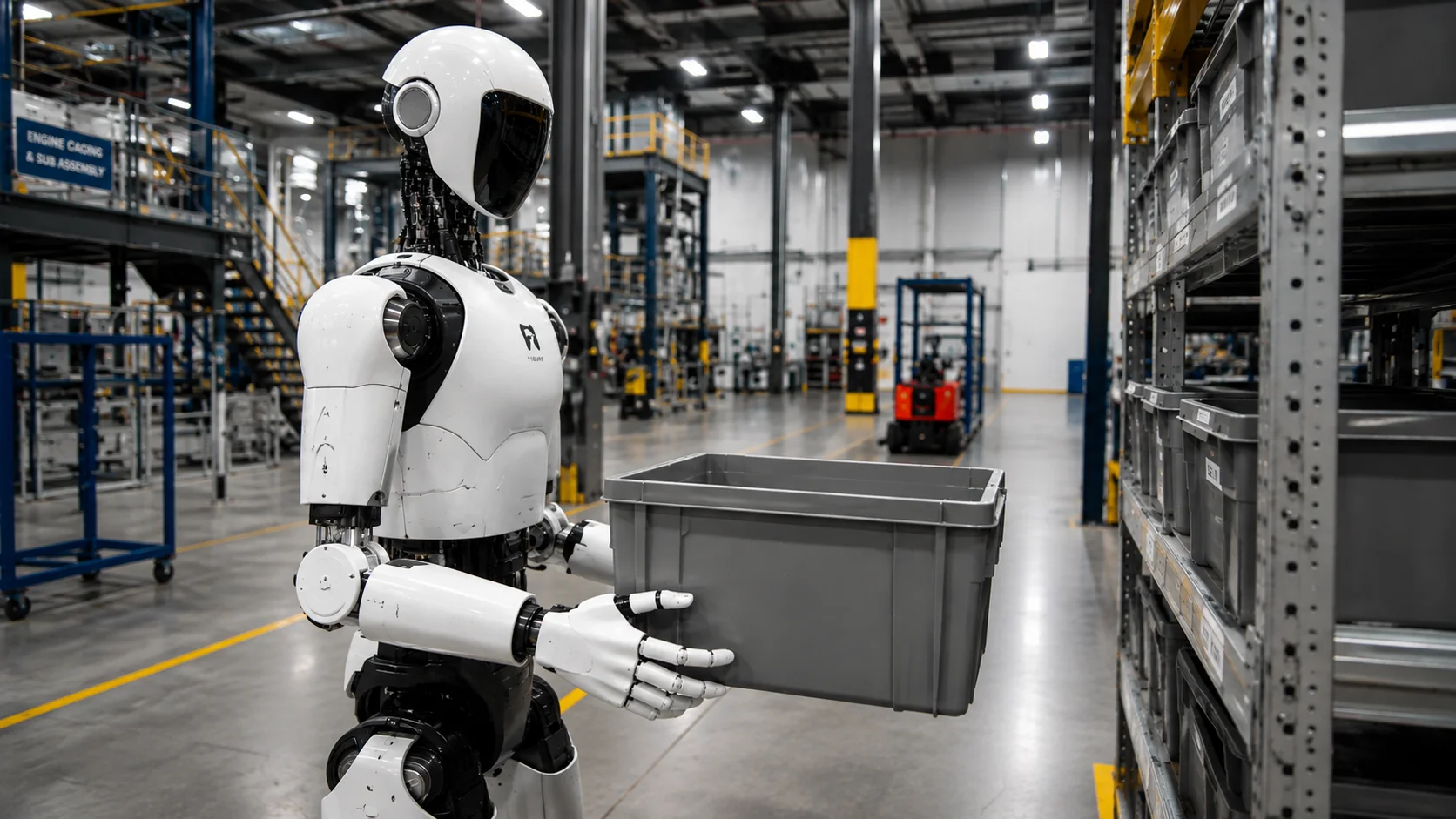
[VISUAL: Photo or render of a humanoid robot in an industrial/warehouse setting]
Breadcrumb Forecasting
Watch whether other governments follow Washington's lead — similar bipartisan legislation targeting Chinese robots for government use is already moving through the U.S. Senate, and allied countries facing the same market dynamics could adopt comparable restrictions in the coming months.