Trump Cancels the "Biggest Strike Since WWII" — Iran Talks Resume Today
Trump called off a planned assault on Iran he said would've been the biggest since WWII. Talks over Hormuz and Iran's nuclear program start today.
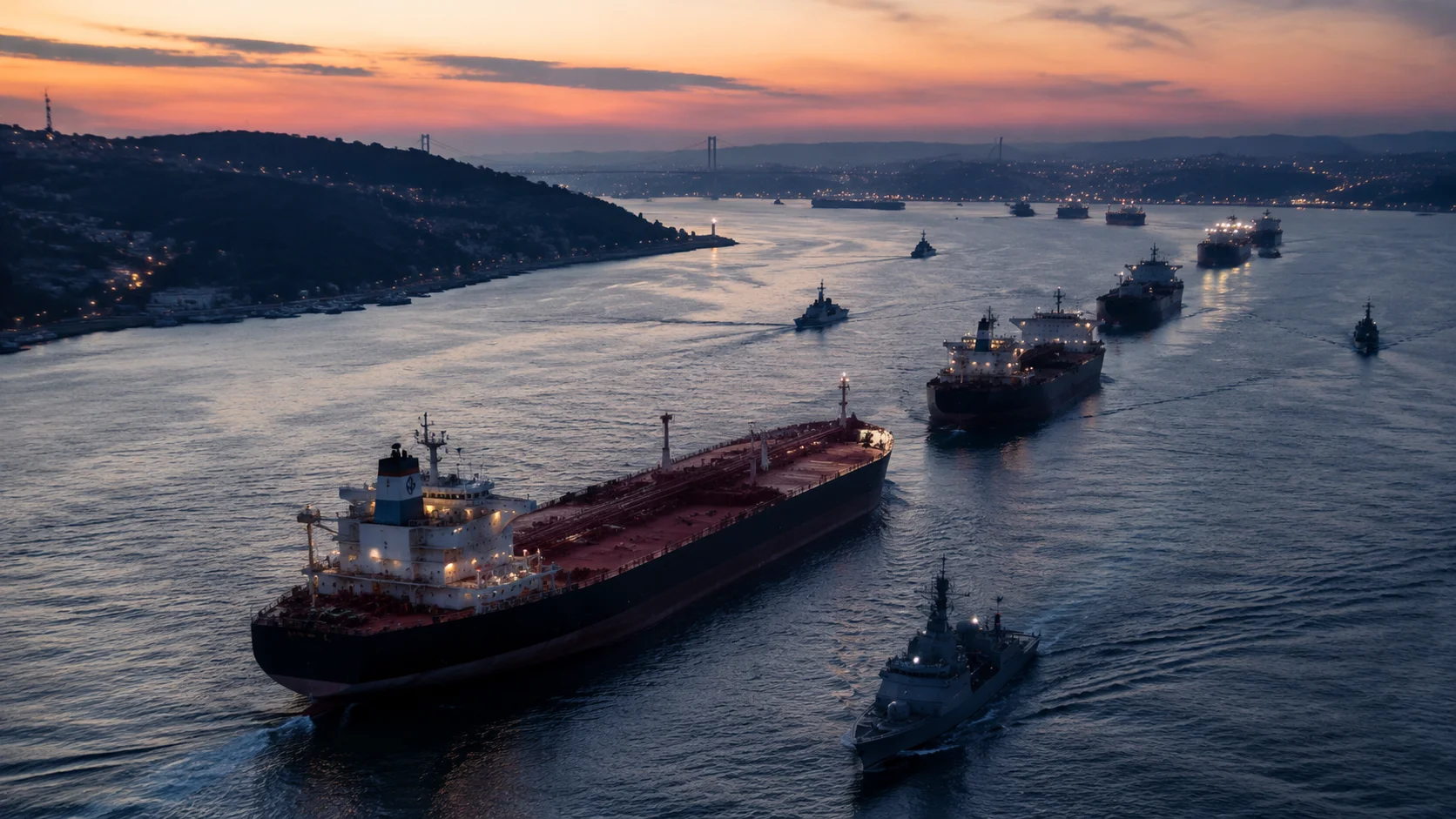
President Donald Trump spent the weekend threatening to unleash what he called the "biggest attack since World War II" on Iran. Then, hours before it was supposed to happen, he called it off. Negotiations over the Strait of Hormuz and Iran's nuclear program were set to begin Monday afternoon.
Why You Should Care
This isn't just diplomatic theater — it's the difference between $60 oil and $90 oil, and by extension, the difference between a manageable gas bill and a painful one. The five-month-old war has already dragged crude prices around like a yo-yo, rattled global shipping through one of the planet's most critical chokepoints, and pushed inflation higher on both sides of the border. Every time Trump threatens to escalate, markets brace for another spike. Every time he pulls back, they exhale. Monday's talks are the closest thing to a real off-ramp this conflict has had in weeks.
Complex to Simple
Think of the Strait of Hormuz like a single tollbooth on the only highway out of the world's biggest oil-producing region. About a fifth of the planet's oil supply has to squeeze through that one 33-kilometre gap. When there's a fight near the tollbooth, every driver downstream — meaning every economy that runs on oil, which is all of them — feels the traffic jam in the form of higher prices, whether or not a single barrel actually stops moving.
[Image: map of the Strait of Hormuz showing shipping lanes and nearby military positions]
What Both Sides Are Saying
The Trump administration frames the pause as leverage working as intended — pressure Iran to the table, then reward cooperation by standing down, pointing to a tentative "perimeters of a deal" on Hormuz access and Iran's nuclear program. Iran's government has pushed back on that framing, with its foreign ministry saying it is discussing a safe shipping corridor with Oman but is not in direct negotiations with Washington — a distinction suggesting both sides may be describing the same tentative thaw very differently to their own audiences.
[Image: timeline graphic of the five-month conflict — key strikes, ceasefire announcements, reversals]
What's Next
Watch Monday afternoon's talks closely: if they produce anything concrete on reopening Hormuz to commercial traffic, expect oil prices to keep sliding through the week. If they collapse — which has happened at least twice before in this conflict — expect Trump to revive the "very hard" rhetoric within days.