Your Best Shot at an Eclipse and a Meteor Shower in One Night Is This Week
A partial solar eclipse and the year's best Perseid meteor shower both land on Aug. 12-13 — a rare skywatching double-header.

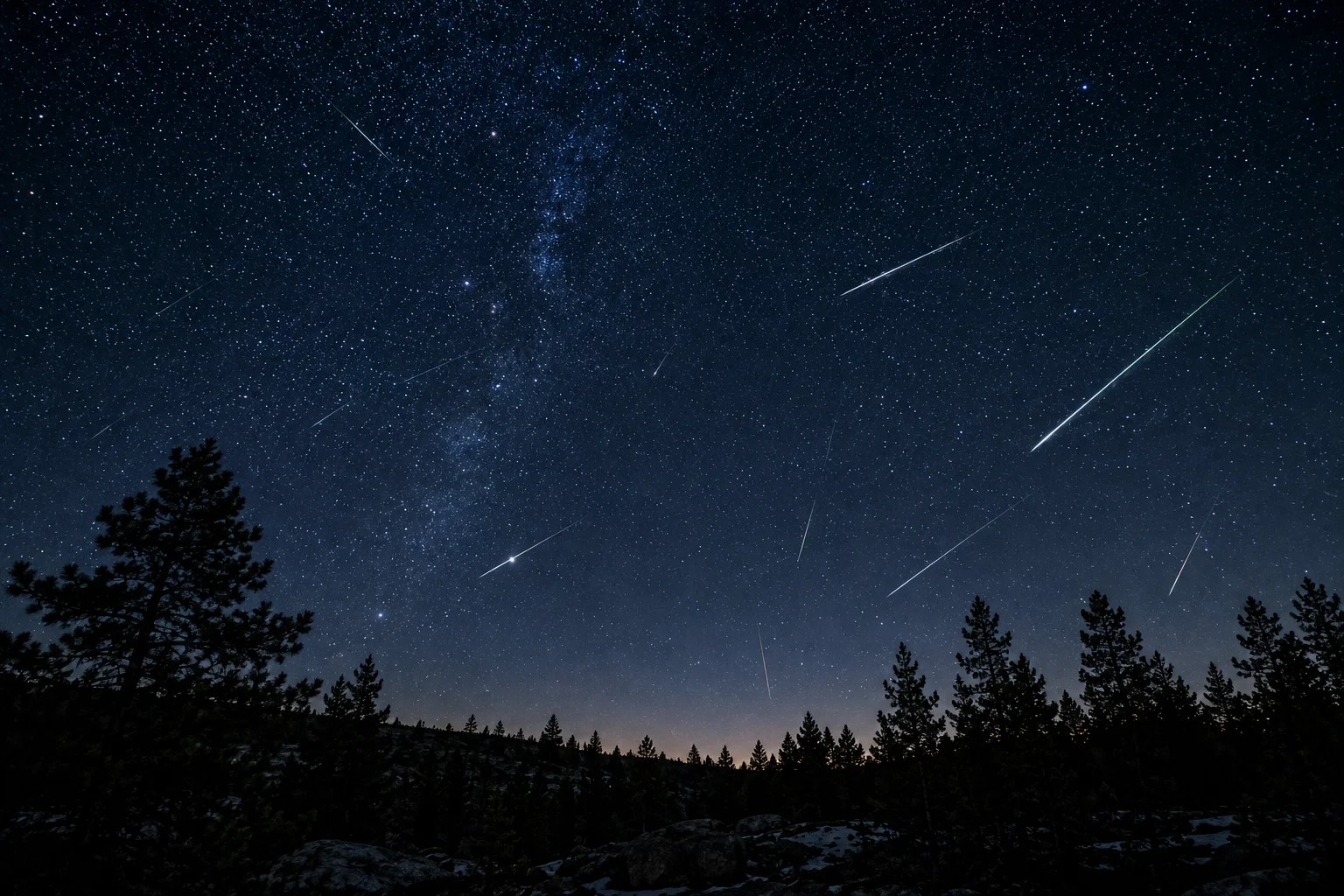
A partial solar eclipse will be visible across eastern Canada and parts of the U.S. on the afternoon of August 12, followed that same night by the peak of the Perseid meteor shower — widely considered the best meteor display of the year. The timing lines up with a new moon, meaning no moonlight will wash out even faint meteors.
Why You Should Care
Skywatching events like this don't need any special knowledge or equipment to enjoy, and this particular pairing — a daytime eclipse followed by a nighttime meteor peak — is rare enough that astronomers are calling it one of the best stargazing opportunities in years. If you've been meaning to get outside and look up more, this is the night to actually do it, whether that means a backyard blanket or a short drive to darker skies.
Complex to Simple
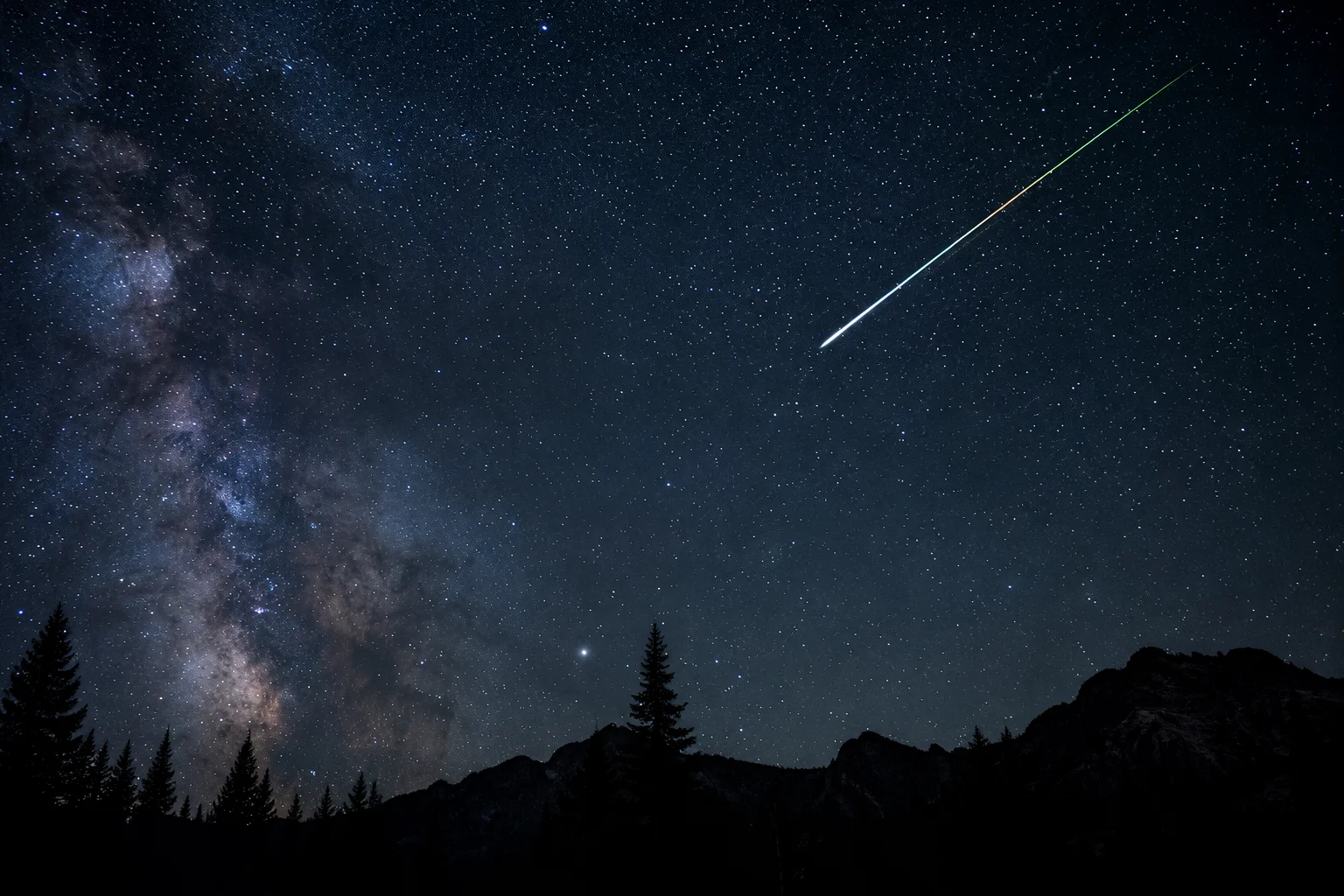
Think of it like a two-part concert: the matinee show is the partial solar eclipse in the afternoon (safe to view only with proper eclipse glasses), and the headline act is the Perseid meteor shower after dark, when Earth passes through a stream of debris left by a comet that swings by only once every 133 years. The new moon that night is like someone finally turning off all the stadium lights — nothing competes with the show.
What's Next
Mark the night of August 12 into 13 — best viewing for meteors starts after 11 p.m. local time away from city lights, and remember eclipse glasses are required for the daytime portion since looking directly at even a partial eclipse can damage your eyes.