Washington's Next Target Isn't the Robots — It's What's Inside the Data Centers
A drafted ban on Chinese-made data center components sent photonics and chip stocks soaring, the latest front in the tech decoupling fight.
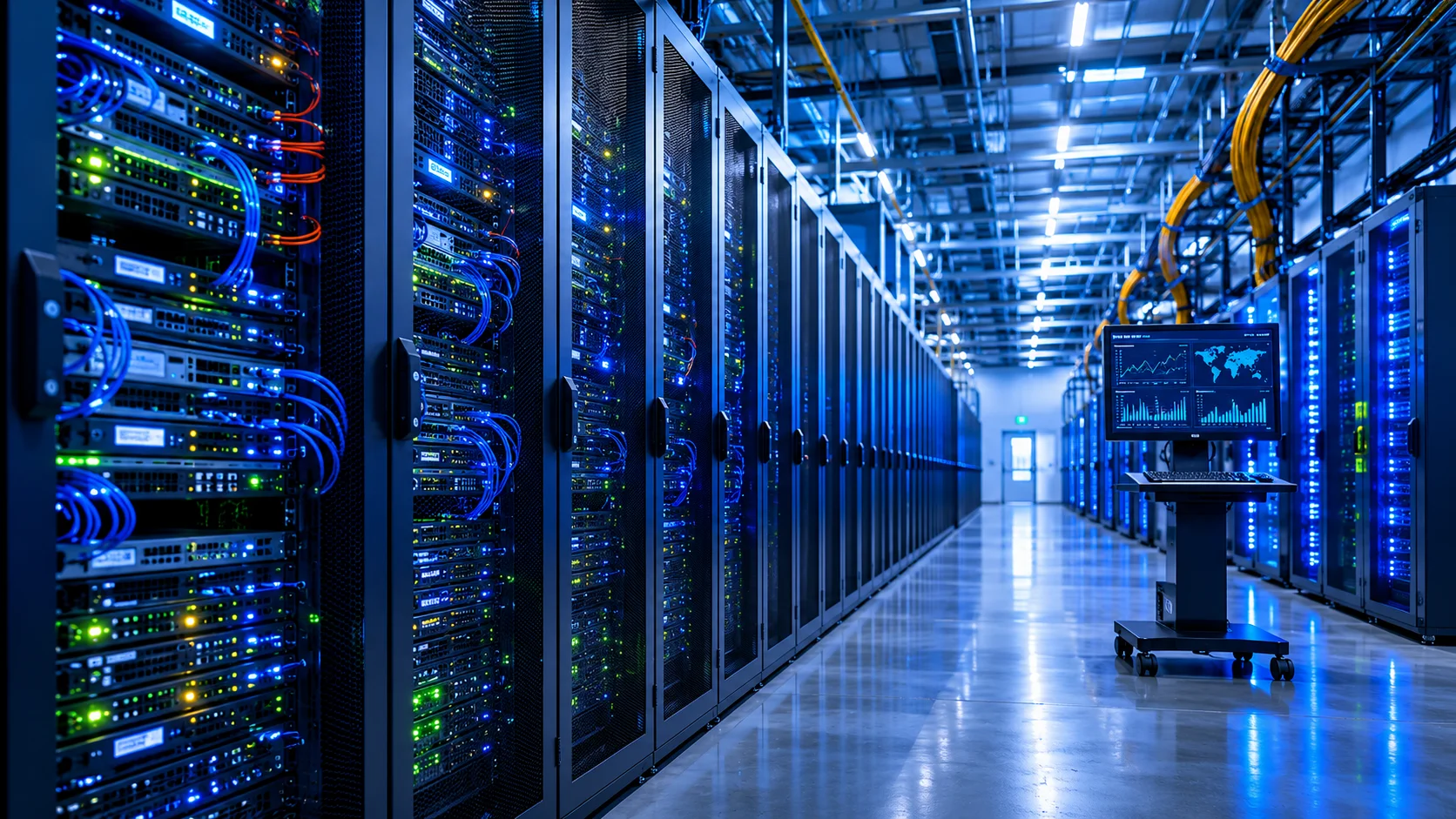
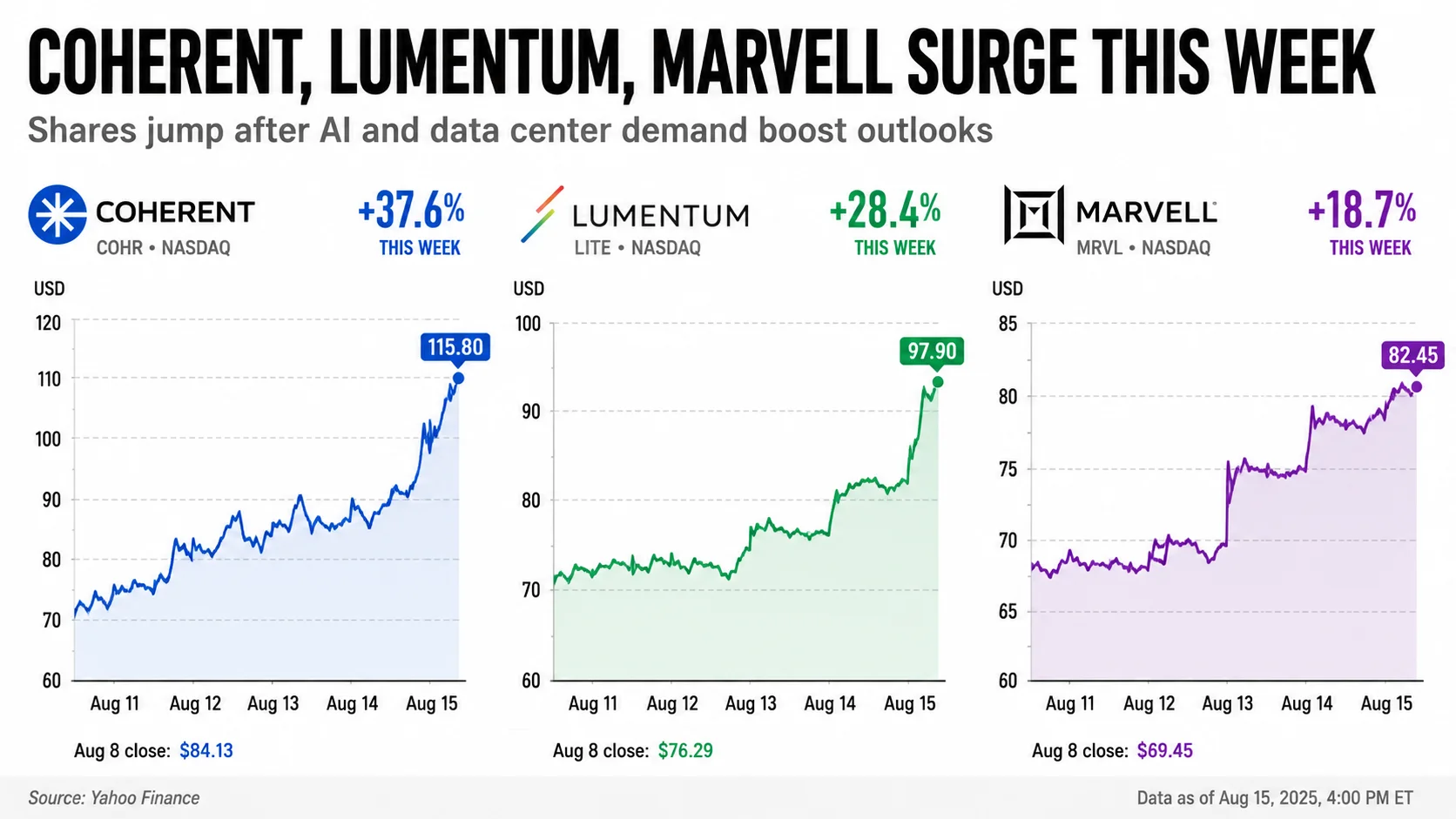
The Trump administration is reportedly drafting a ban on imports of Chinese-made data center components, according to a Reuters report that sent shares of photonics companies like Coherent and Lumentum, along with chip designer Marvell Technology, sharply higher this week on expectations they'd benefit from reduced Chinese competition.
Why You Should Care
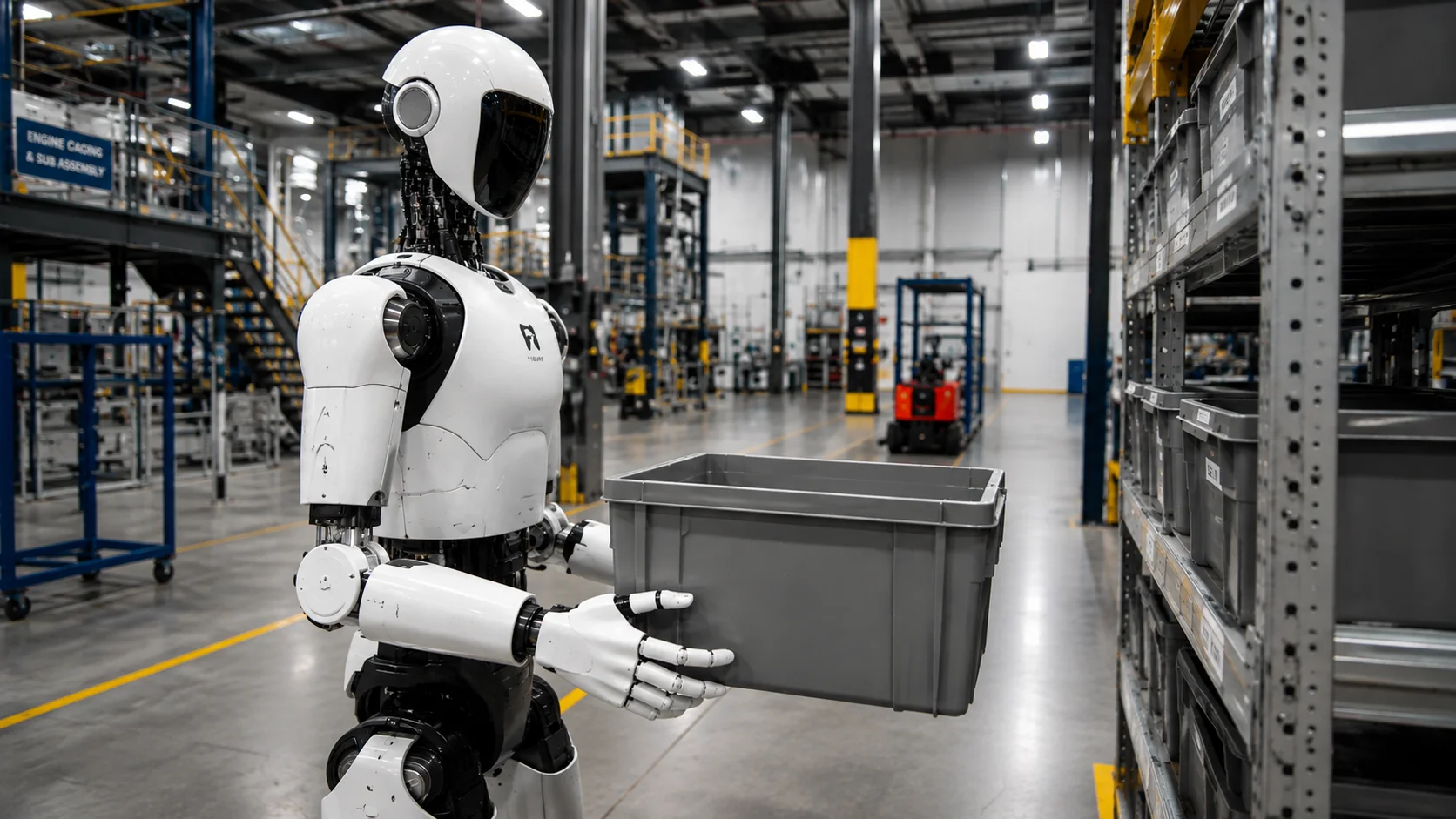
If the humanoid robot ban was Washington's move against the visible, headline-grabbing side of the U.S.-China AI race, this is the move against its invisible plumbing — the physical components that make the massive AI data centers powering everything from chatbots to cloud computing actually work. You won't touch these components directly, but if you use any AI tool, stream video, or rely on cloud-based apps, the infrastructure this ban targets is quietly involved in delivering that service to you, and disrupting its supply chain has ripple effects on cost and availability across the entire tech industry.
Complex to Simple
Picture a massive commercial kitchen that depends on a handful of very specific, hard-to-replace parts — a particular gas line fitting, a specialized ventilation component — sourced from one supplier overseas. Banning the humanoid robot from the dining room is a visible move a customer would notice. Banning the gas line fitting is a supply-chain move most customers never see, but it's arguably more disruptive, because the kitchen quite literally can't run without it, and finding a replacement supplier takes time.
What Both Sides Are Saying
Proponents of the drafted ban frame it as closing a security gap in critical infrastructure — data centers increasingly underpin everything from banking to AI research, making their components a national-security concern similar to telecom equipment before it. Critics, echoing pushback seen on the earlier robot ban and open-weight AI model debate, argue these restrictions risk driving up costs and slowing data center buildout at exactly the moment the U.S. is racing to expand AI capacity, potentially handing an advantage to competitors unburdened by the same restrictions.
What's Next
Watch for the ban's formal announcement and scope — whether it covers all Chinese data center components or a narrower category will determine whether this becomes a major supply-chain disruption or a targeted, contained move, and whether Beijing responds with its own restrictions in kind.