Iran "Reopens" the Strait of Hormuz — But Bans the Ships That Need It Most
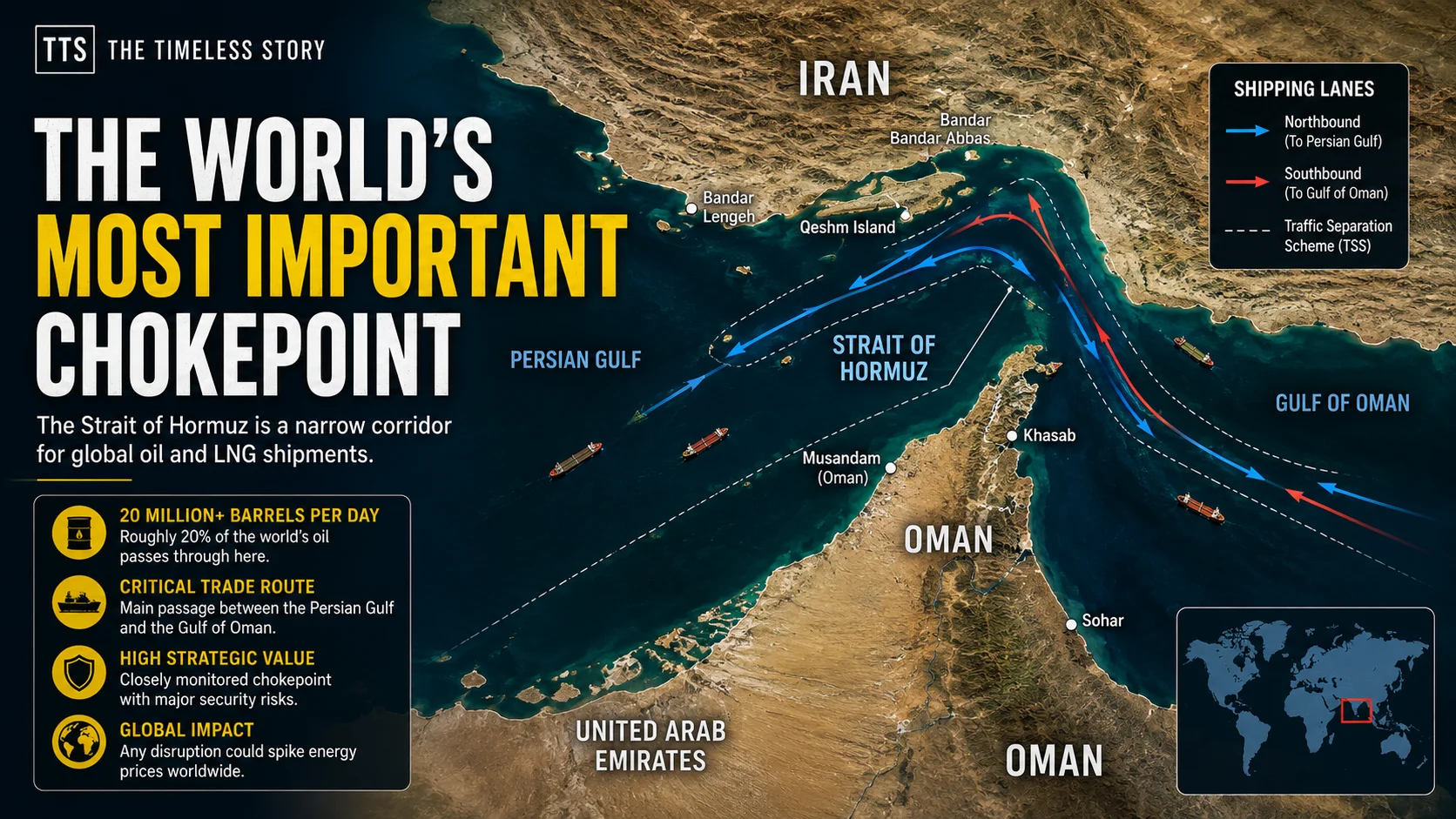
Iran and Oman have a framework deal on the Strait of Hormuz — but Iran's draft plan would bar U.S. and Israeli ships and charge tolls to pass.

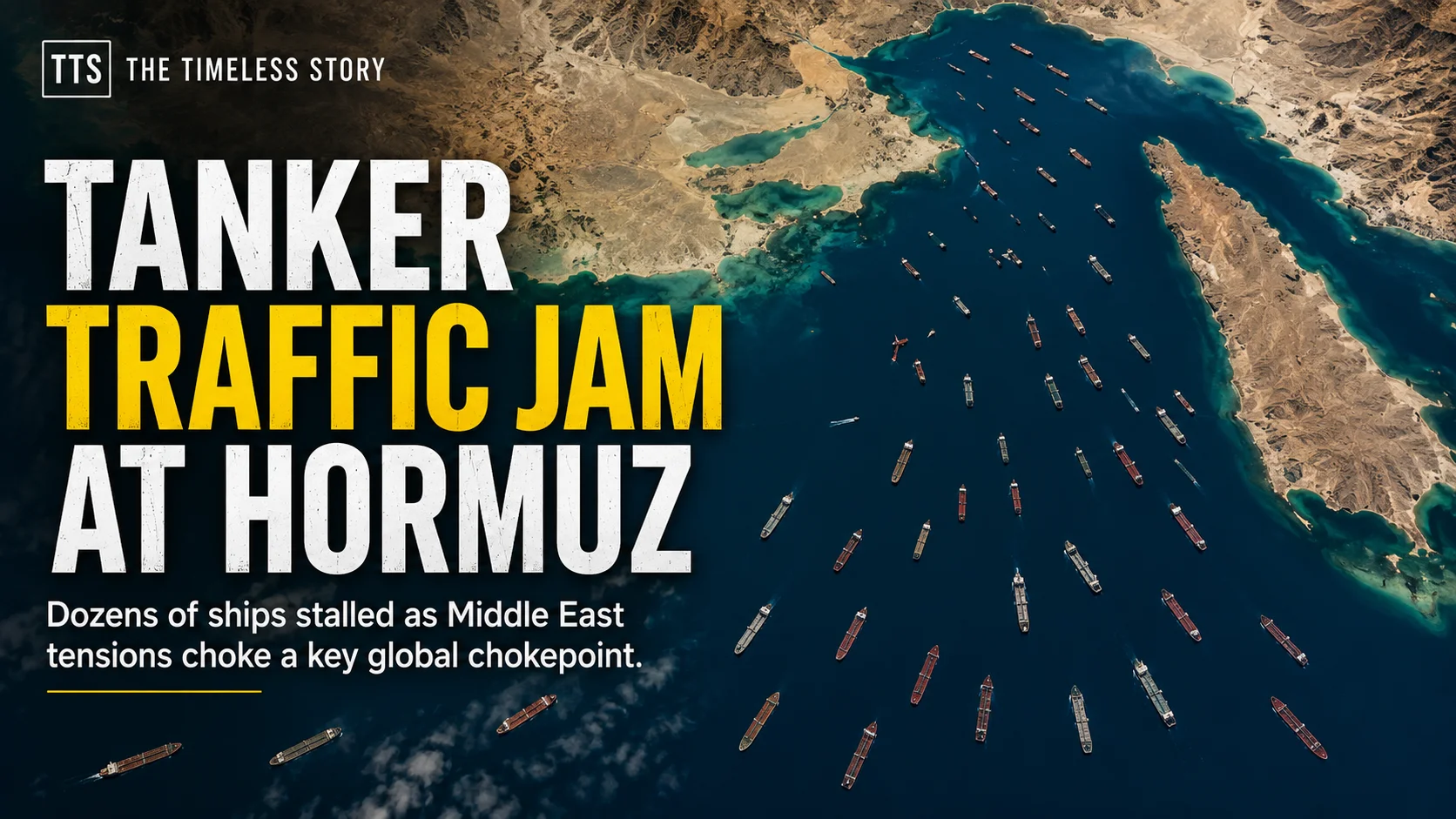
Iran and Oman have agreed "in principle" to a framework for reopening the Strait of Hormuz to commercial shipping, officials said this week. But Iran's own deputy foreign minister has warned the deal won't fully reopen the waterway — and a draft plan reportedly bars U.S. and Israeli vessels outright while charging others a toll.
Why You Should Care
Every headline this week has framed this as a breakthrough, and markets have been trading on that optimism — oil prices dipped, then crept back up as the fine print emerged. If you've been watching gas prices for any sign of relief, the honest answer is: not yet, and maybe not from this specific deal. Fewer than 10 ships a day have been transiting the strait this week, a fraction of pre-war traffic, and a "deal" that still excludes American and Israeli ships isn't the full reopening that would actually unstick global oil flows.
Complex to Simple
Imagine your apartment building's elevator has been broken for months, and building management announces a "fix" — except it turns out the fix only lets certain residents use it, and everyone else still has to take the stairs. Technically, the elevator works again. Practically, most people affected by the original problem are still climbing stairs. That's roughly where the Strait of Hormuz sits right now: technically "open," practically still choked off for the countries most invested in it flowing freely.
What Both Sides Are Saying
U.S. officials, including Treasury Secretary Scott Bessent, have publicly expressed optimism that a deal is close and would restore "freedom of movement" through the strait. Iranian officials tell a different story — Tehran's chief negotiator has accused Trump of "theater diplomacy," and Iran's parliament is separately drafting legislation to regulate strait traffic and penalize violators, a move that suggests Iran intends to keep meaningful control regardless of what gets announced publicly.
What's Next
Watch whether commercial shipping volume actually increases in the coming days — that's the real test, not the announcement itself. Shipowner lobby groups are already protesting the toll proposal, and if the U.S. rejects a deal that excludes its own vessels, expect this "agreement in principle" to join the list of false dawns this conflict has produced before.