Ottawa's Watchdog Wants to Know Why Your Tomatoes Cost 45% More
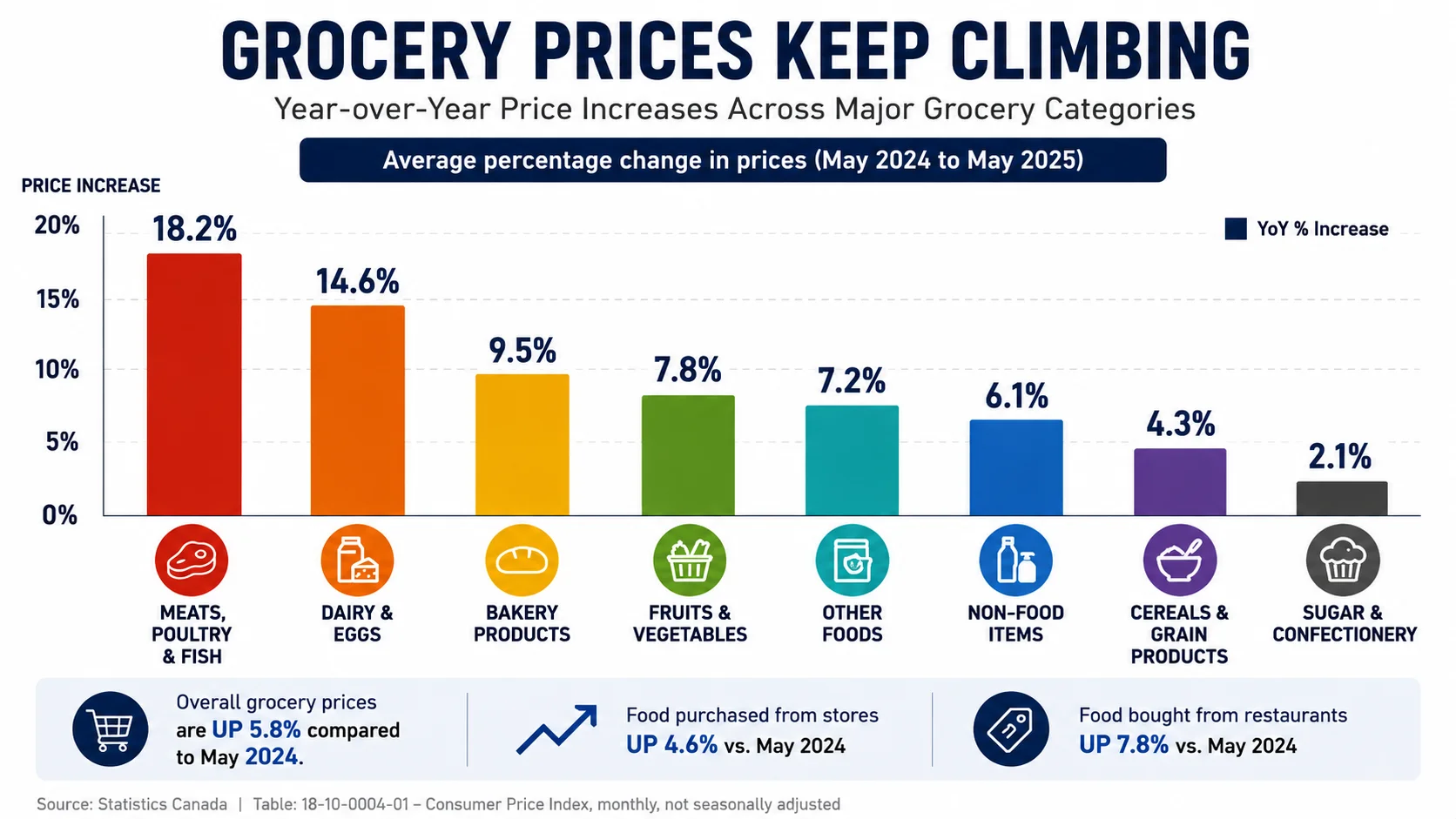
Canada's Competition Bureau is examining the food supply chain as grocery prices stay elevated — tomato prices alone are up 45% year over year.

Canada's Competition Bureau announced it's examining the country's food supply chain — production, transportation, and retail pricing — to figure out where competition is breaking down and grocery bills are staying stubbornly high.
Why You Should Care
This is about as direct a "reader's wallet" story as exists: food prices at Canadian stores are still climbing faster than overall inflation, and tomato prices specifically jumped 45.2% year-over-year due to supply constraints. If you've felt like your grocery bill keeps creeping up no matter how carefully you shop, this investigation is Ottawa's attempt to figure out whether that's simple economics — or something closer to a handful of large players quietly squeezing more margin out of every stage between farm and shelf.
Complex to Simple
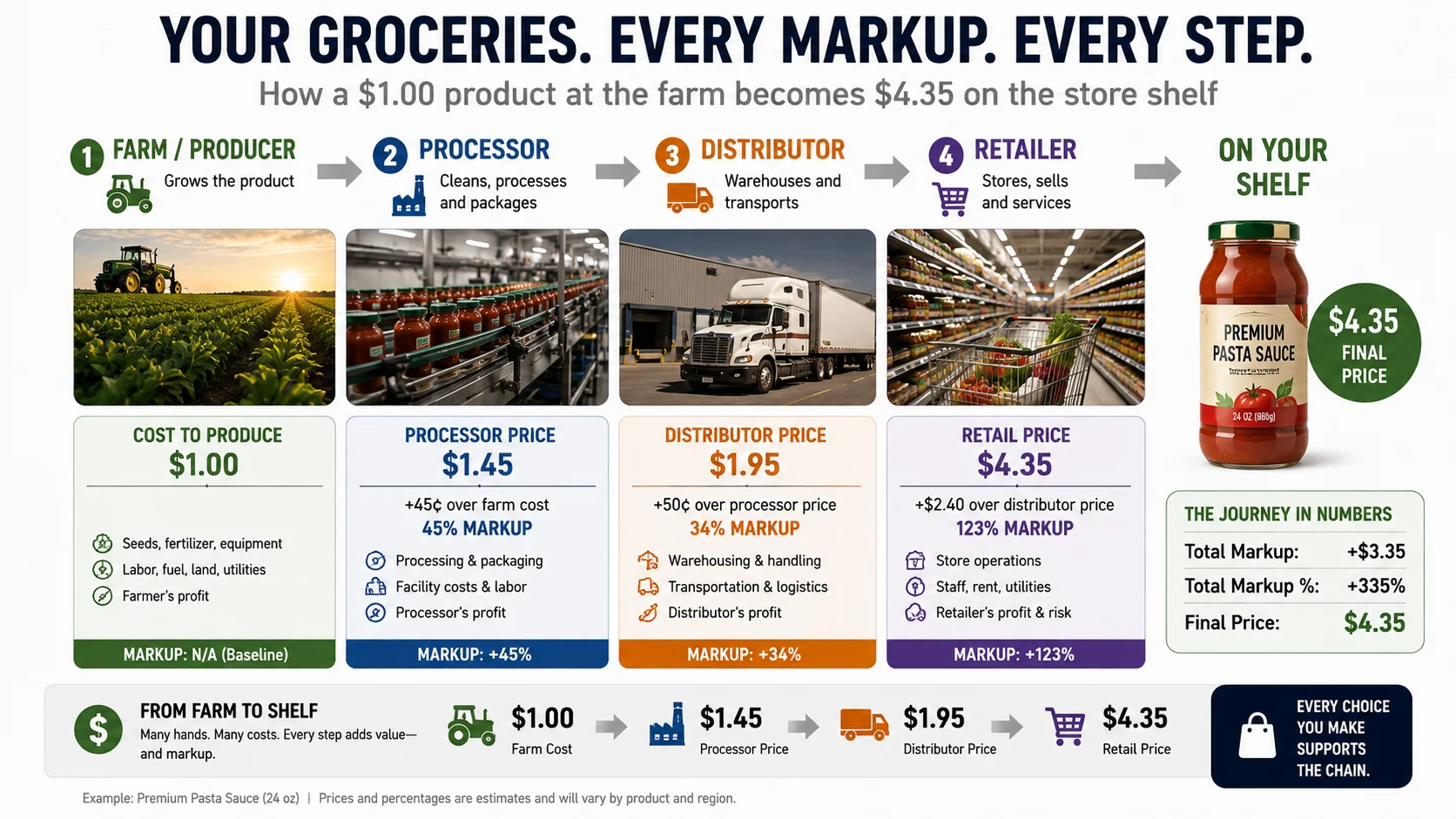
Picture your grocery bill as the final stop on a long relay race — farmer, processor, distributor, retailer, each one passing the baton (and adding their own cut) before it reaches your cart. When there are only a few large runners on that relay team instead of many competing ones, each one has more room to slow down and add extra weight to the baton without losing the race. That's the concentration problem the Competition Bureau is investigating.
What Both Sides Are Saying
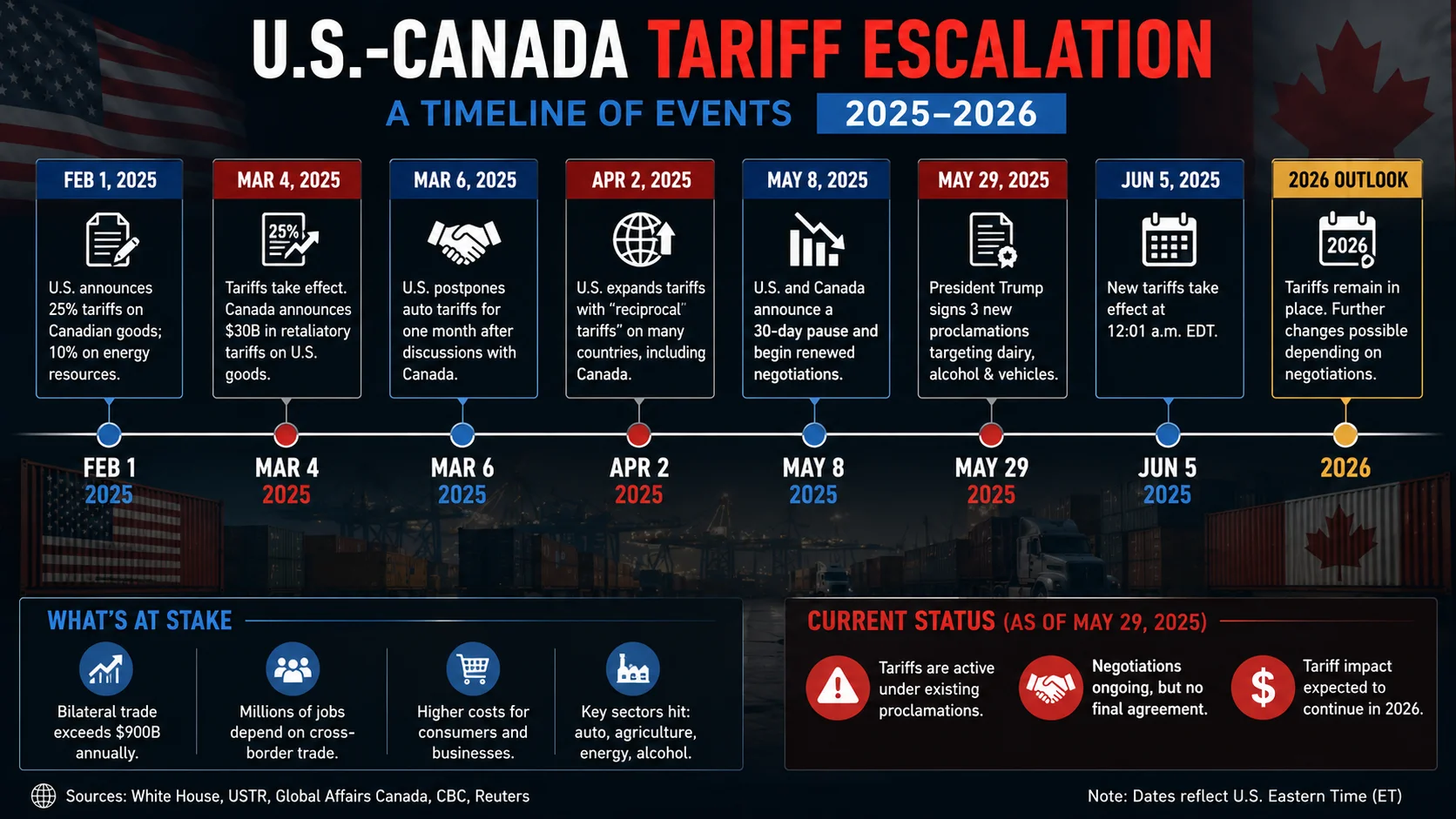
The Competition Bureau frames this as a broad diagnostic effort — understanding the problem before recommending fixes — building on a 2023 study that found greater competition could meaningfully lower prices. Grocery industry representatives typically counter that margins in the sector are thin and that input costs — fuel, packaging, labour, and new U.S. tariffs on items like whey and honey — are the real drivers, not retailer profit-taking.
What's Next
The bureau's final report isn't expected until next spring, but watch for interim findings or public hearings this fall — and for how loudly Canada's major grocery chains push back if early signals point toward retail pricing practices as a culprit.